
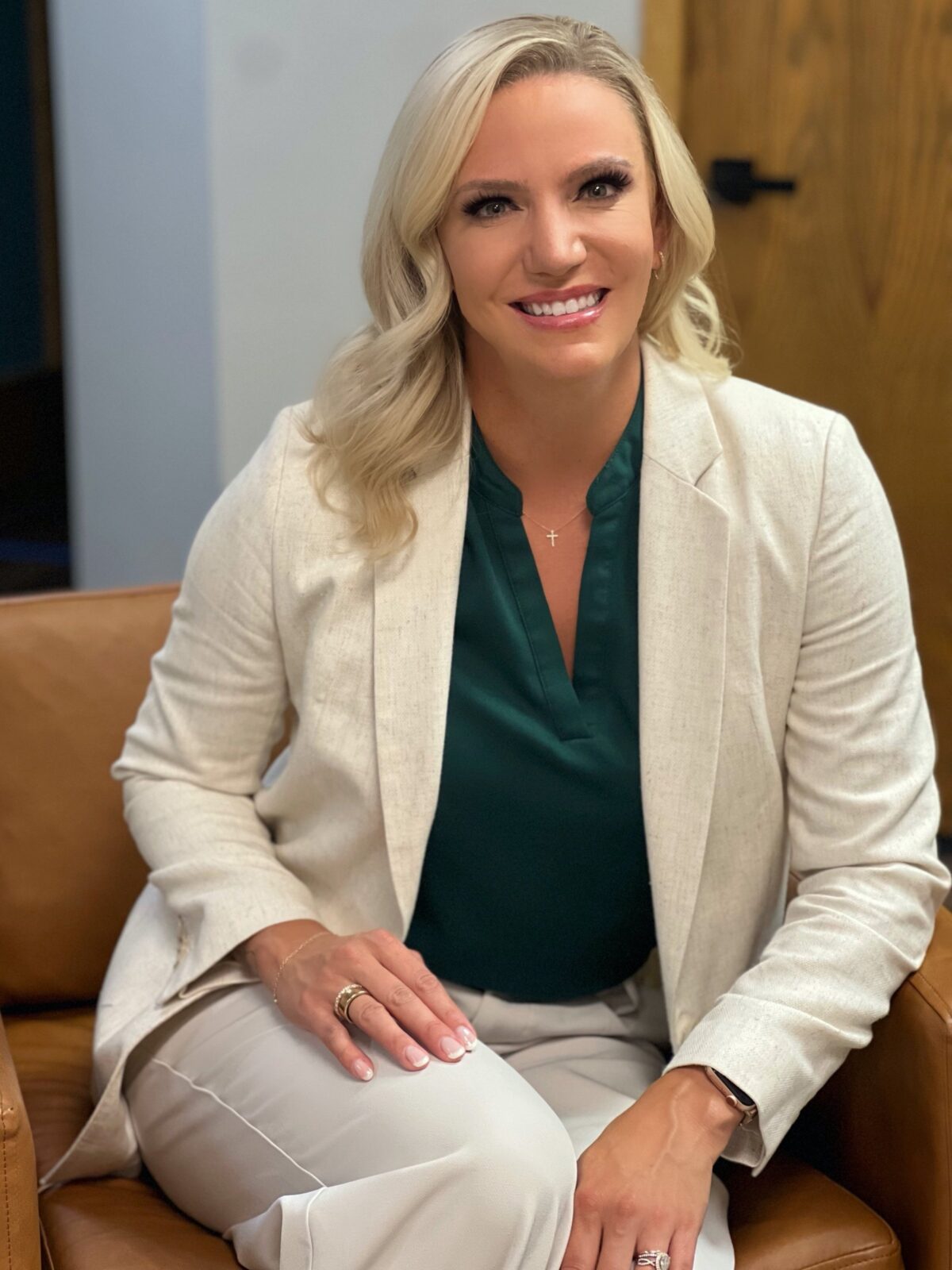
Hello! I’m Breanna O’Keefe, but most people call me Bre. I wear many hats—mom of six, wife, physician, coach, teammate, and board member for both Life as a Zebra and the University of Olivet—and I live with hypermobile Ehlers-Danlos syndrome and Lupus. While managing chronic illness can sometimes feel like a full-time job of its own, I lead a full, active life running my medical practice, cheering on my kids at their many activities, coaching soccer and softball, and even playing in my self-proclaimed “old ladies soccer league.”
My journey as a Zebra began in my early teens, shaped by frequent dislocations, multiple surgeries, and years of learning how to live with my body rather than against it. I’ve gone from feeling defined by illness to reclaiming control—finding joy in movement, purpose in service, and strength in perspective. Today, I strive to live as an example for my children, my patients, and the rare disease community: that invisible illness can be part of your story, but it does not have to be your identity.
5 Invisible Symptoms
- Fatigue — not just feeling tired, but a deep, all-consuming exhaustion that isn’t fixed by rest
- Muscle spasms, especially in my neck and back, that can arrive without warning
- Dizziness and tachycardia (rapid heart rate), particularly with positional changes
- Joint pain, not only in joints I’ve had surgery on, but especially in my hands—challenging on long OMT days
- Rib pain, often with breathing, caused by rib subluxations from hypermobility
4 Things That Help Me Manage Pain/Symptoms
- Weight lifting and physical therapy — they help stabilize my joints and continually remind me that my body is strong, capable, and resilient
- Stretching and massage, which restore movement and calm
- Infrared sauna and TENS unit, tools that help quiet my nervous system
- Shifting my focus away from pain — pain psychology is a powerful part of healing. While I listen to my body, I choose to focus on what feels good and what my body still allows me to do.
3 Ways My Life Has Changed
- I don’t take myself too seriously. I laugh often (usually at myself) and meet challenges with as much humor and grace as I can.
- I’ve embraced that invisible illness is part of my story, but not my identity. I no longer hide my scars—they’re now honored, even celebrated, as symbols of resilience and survival. I’ve learned that caring for my health may require concessions, but it doesn’t mean giving up the things that bring me joy
- I find deep joy in movement. I play soccer and ski again—activities I once thought were behind me. I use braces, and I did re-tear an ACL last year, but the joy of moving freely, even imperfectly, is worth the risk. I never take for granted what my body allows me to do.
2 People Who Inspire Me
- My patients — their strength, honesty, and perseverance remind me that everyone is fighting a battle we may never see.
- My children (all six of them) — in their eyes, I can do just about anything. They inspire me to keep showing up, keep trying, and keep growing.
1 Thing You Want People to Know
Illness does not define you. Accept what you cannot change, fight to manage what you can, and celebrate every victory—especially the small ones. Those moments matter more than you know.
To read all of our previous zebra spotlights, please click here.